Call: 0208 798 3488 / 0204 572 8349
NRG Consultant Group existsis helping to accelerate the transition to low-carbon, energy-efficient buildings by delivering expert retrofit, energy and sustainability solutions that improve lives, protect assets, and create lasting environmental and financial value.
How to reduce Condensation in your home
WHAT IS CONDENSATION?
Condensation occurs when warm, moist air meets cold surfaces, causing water droplets to form. It is most common during colder months when heating is used. While condensation itself is not harmful, persistent moisture can lead to damp and mould growth, which may damage your property and affect health, particularly for those with respiratory or immune-related conditions. If condensation is becoming a problem in your home, a free survey from a ventilation specialist can help identify the cause and recommend the right solution.
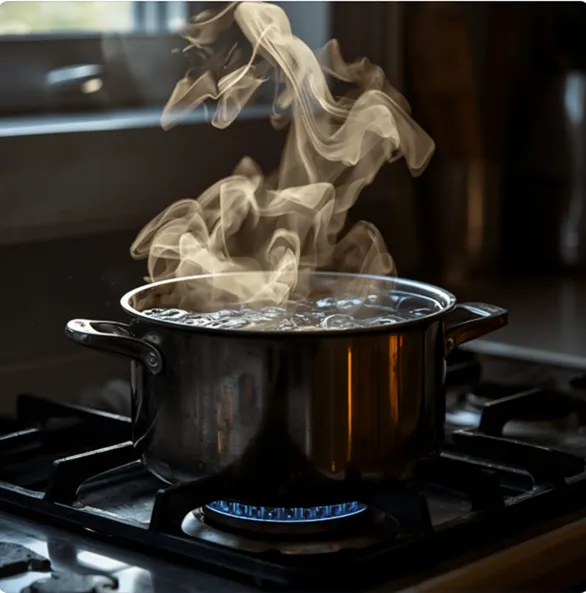
Cover pots and pans when cooking
When cooking, use lids on pans and operate your extractor hood or fan to reduce moisture released into the air. To help prevent condensation, leave the extractor running for 10–15 minutes after cooking to remove any remaining humid air. Modern extractor fans with humidity sensors can automatically adjust their speed based on moisture levels, helping to maintain a healthier indoor environment.
Dry Clothes outdoors
Dry clothes outdoors whenever possible to reduce excess moisture inside your home. Wet clothes release large amounts of water into the air as they dry, increasing the risk of condensation. If outdoor drying is not an option, dry clothes in a bathroom with the door closed and a window open to help ventilate moisture until they are fully dry.
Turn on the Extractor fan when showering
When showering or bathing, use your extractor fan to remove steam and moisture at the source. This is particularly important during colder weather, as it helps reduce condensation on windows and walls and lowers the risk of damp and mould growth.
Move furnature away from walls
Avoid placing furniture directly against external walls, as this can restrict airflow and create areas where damp and mould may develop. Leave at least 50mm of space between furniture and walls to improve air circulation. Where possible, position wardrobes against internal walls, which are typically warmer and less prone to condensation and mould issues.
GET IN TOUCH WITH US
Get Your EPC Certificate in Hillingdon
If you have a portfolio of properties that require C rating s in Ruislip, Harrow, Wembley, Ealing, Northolt, surrounding boroughs in the London and Greater London areas, NRG Consultant Group is here to help. We offer reliable, fully complian EPC and Retrofit Assessment and coordination services.
Call: 020 8798 3488 or 020 4572 8349
Email: [email protected]
Or fill out our quick form now
Based in Ruislip | Trusted Across Greater London